KNOW STONE FROM QUALITY BLUESTONE QUARRIES!
WE SHIP EVERYWHERE IN THE WORLD; Partial Orders Are Welcome!
EXTRA CHARGES APPLY ON PARTIALS BASED ON VOLUME - CALL or E-MAIL!
PHONE 570-240-3743
sales email: sales@pennsylvaniabluestone.net
Pennsylvania Bluestone Products FROM THE BLUESTONE QUARRY
FULL COLOR NATURAL CLEFT PENNSYLVANIA BLUESTONE
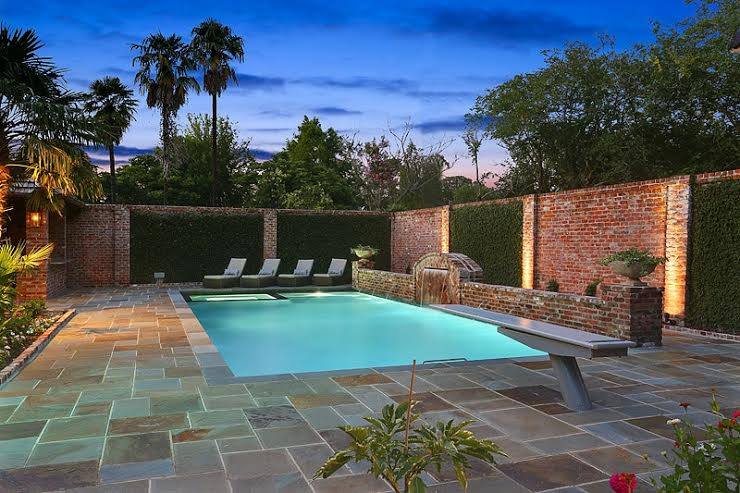
NATURAL CLEFT PENNSYLVANIA BLUESTONE
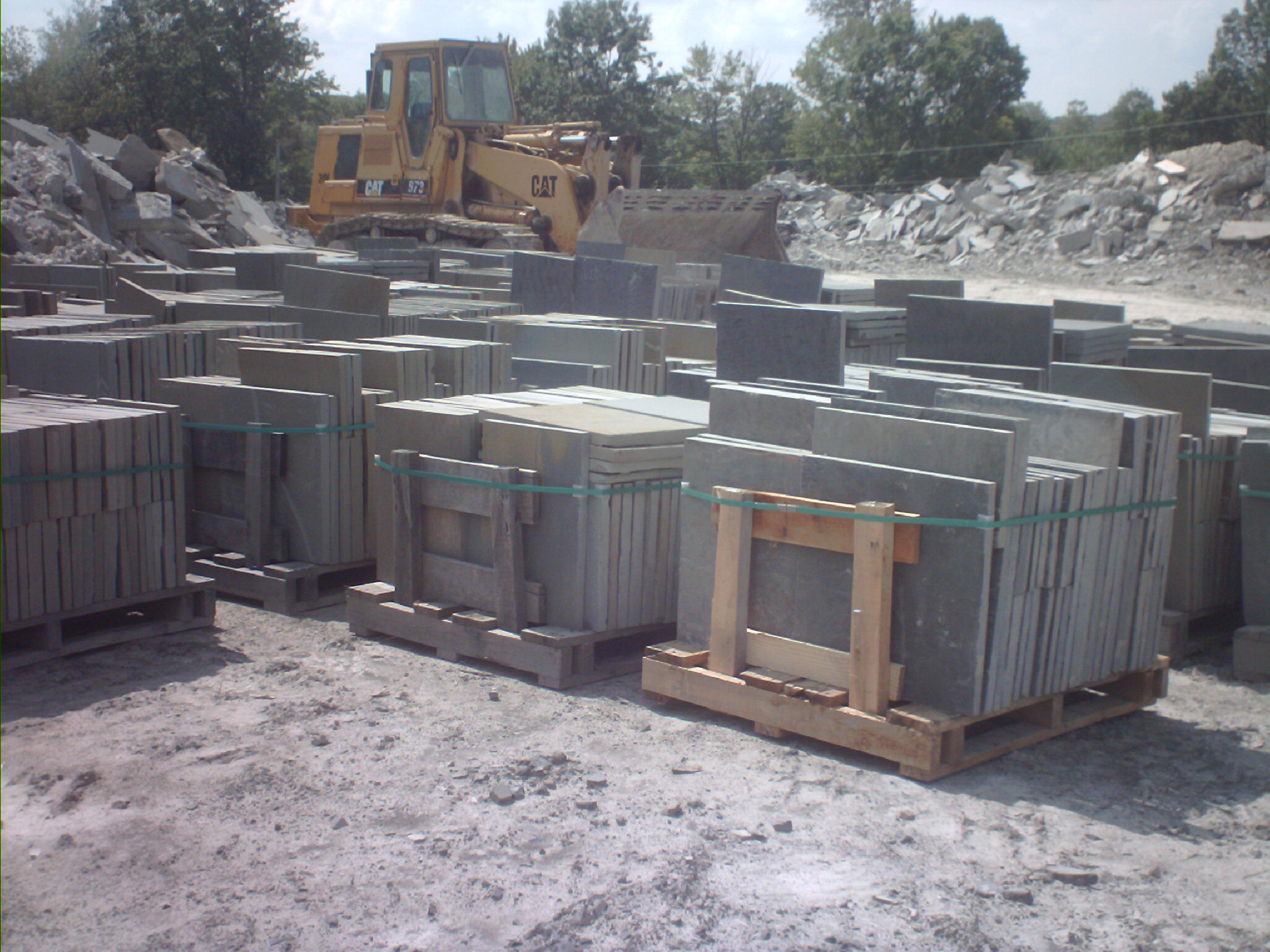
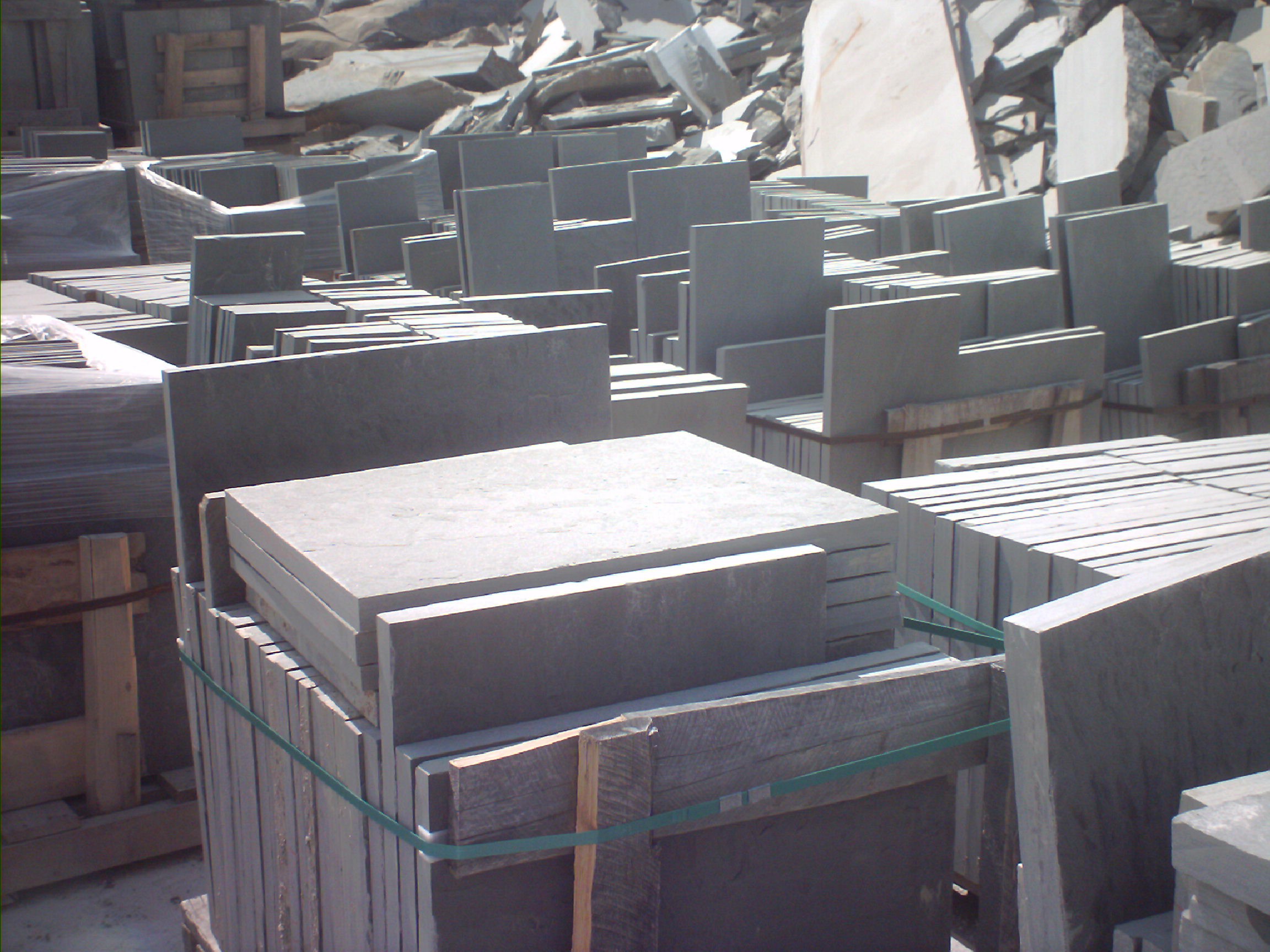
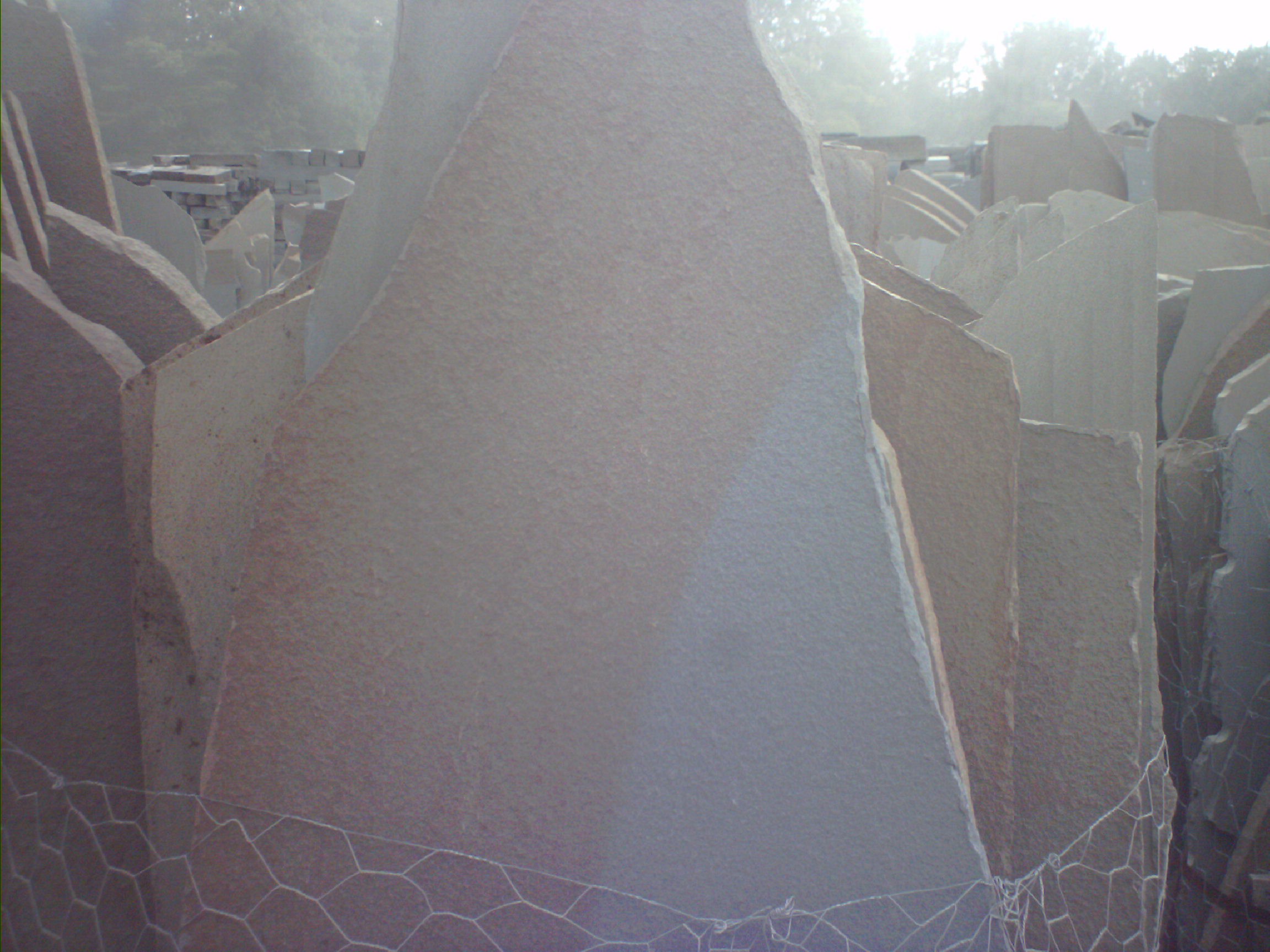
BROKEN PENNSYLVANIA BLUESTONE FULL COLOR 1" or 1.5" (1/4"variance on thickness)
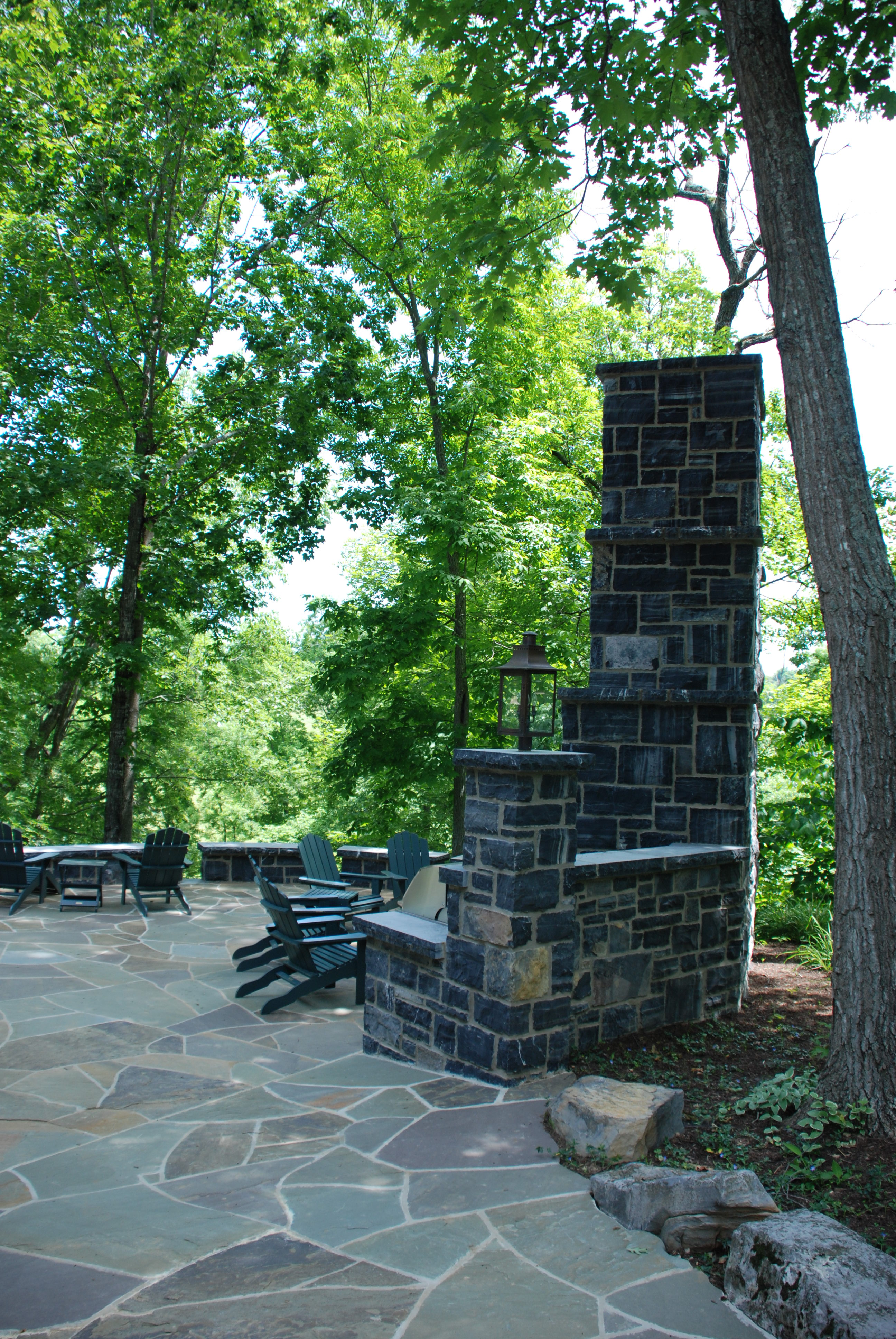
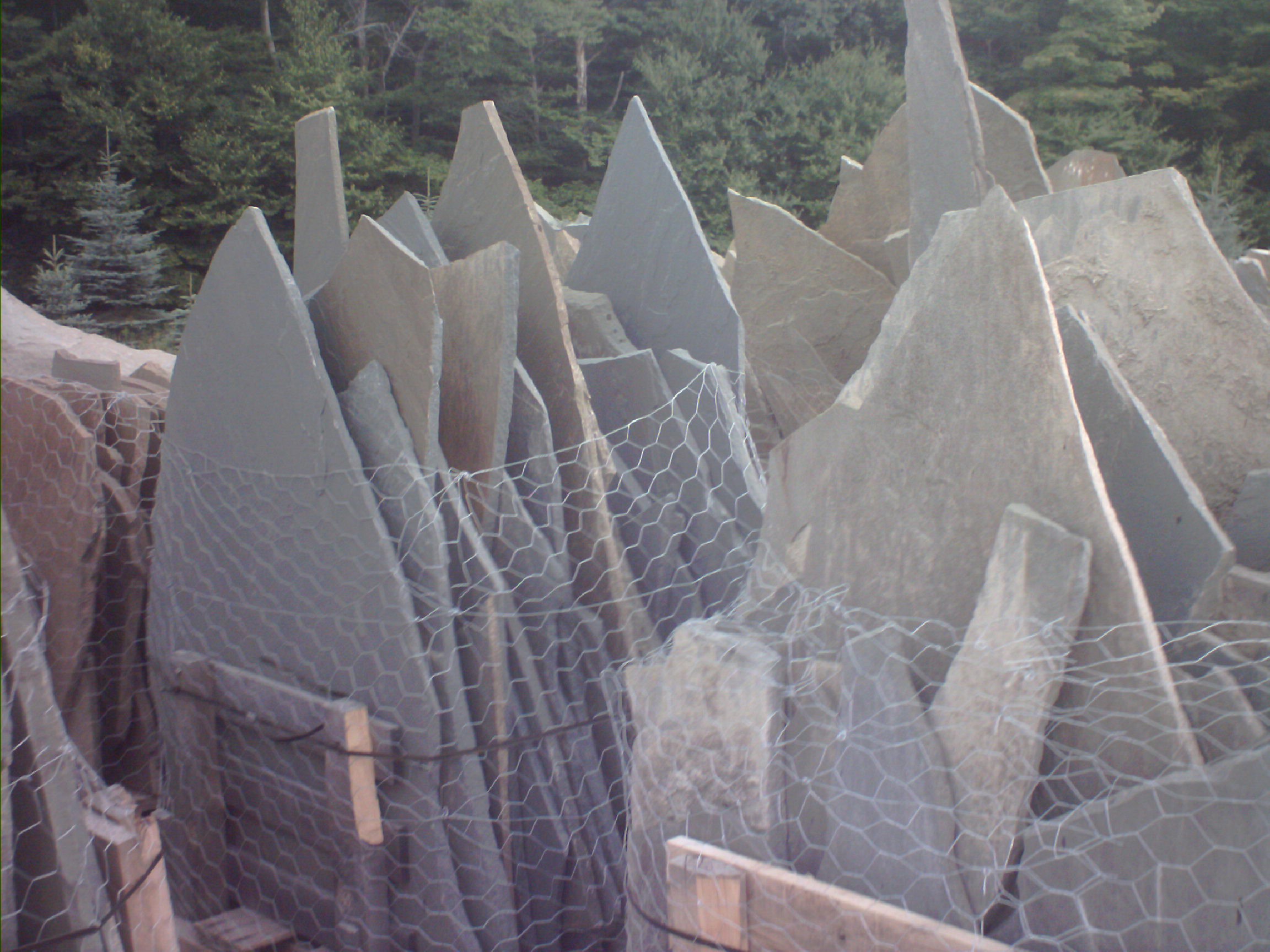
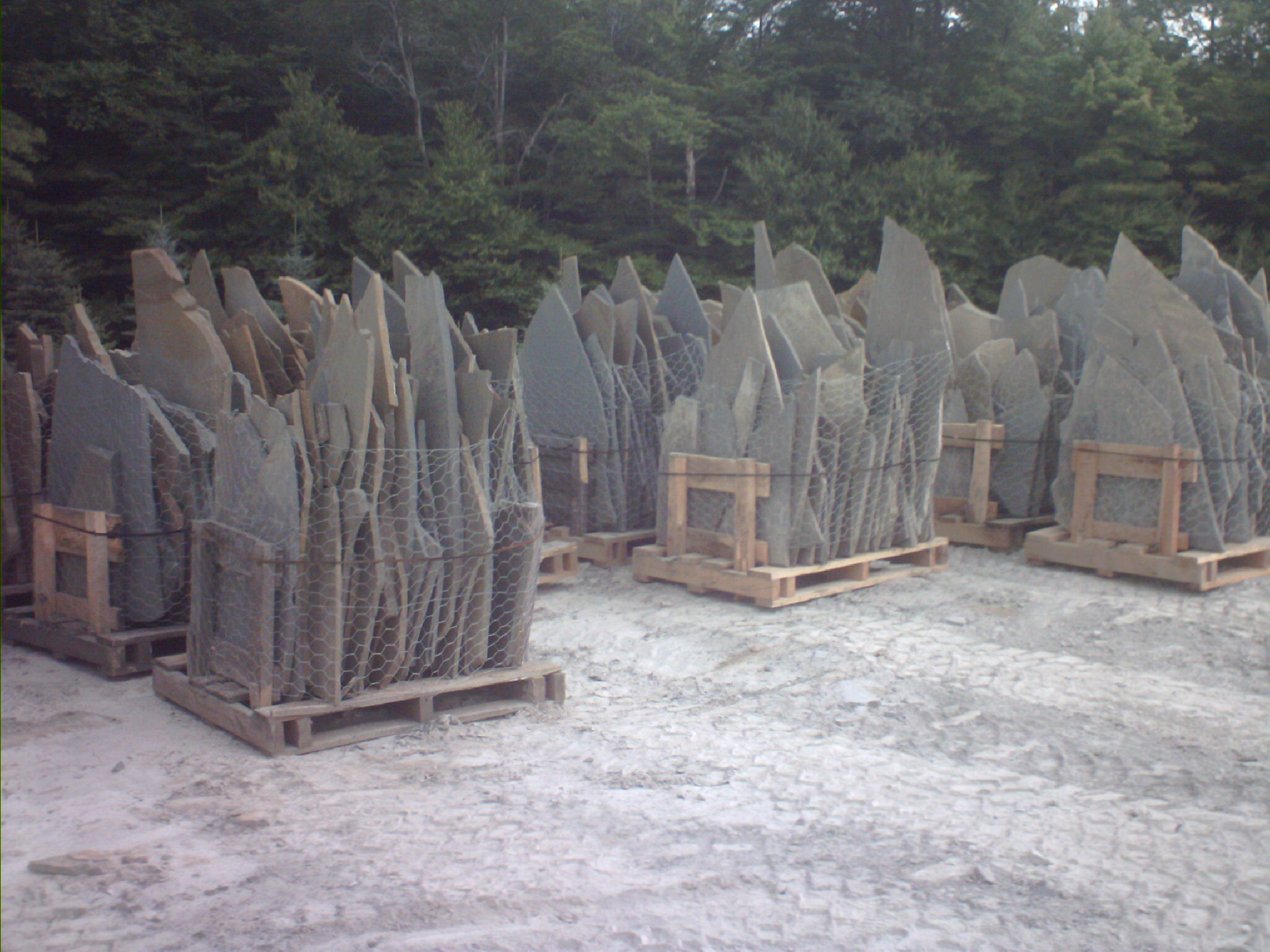
THERMAL PENNSYLVANIA BLUESTONE PRODUCTS
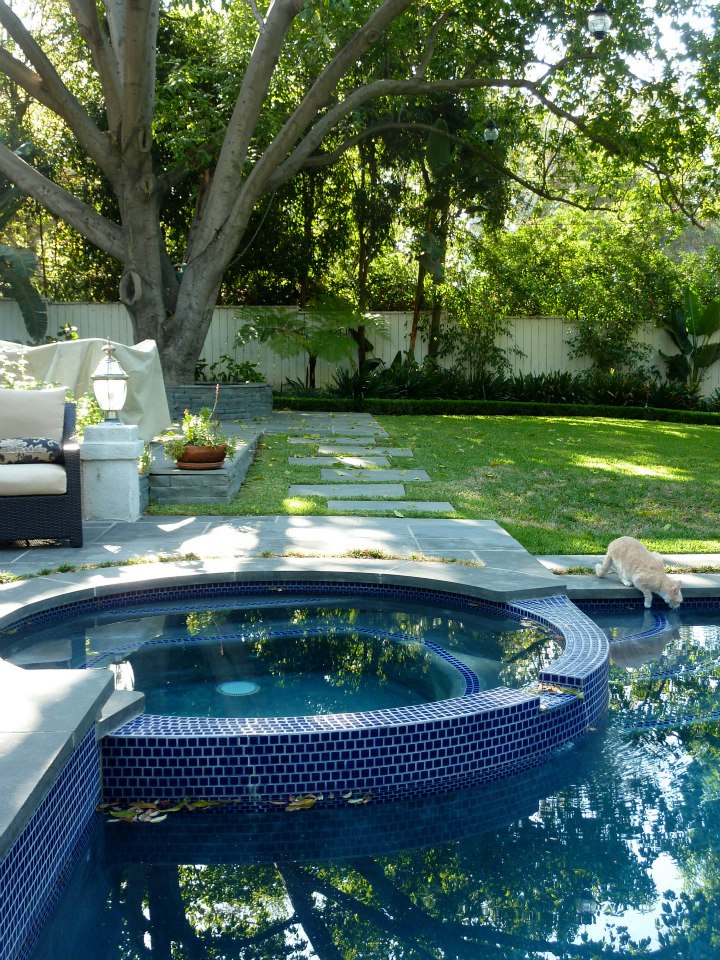
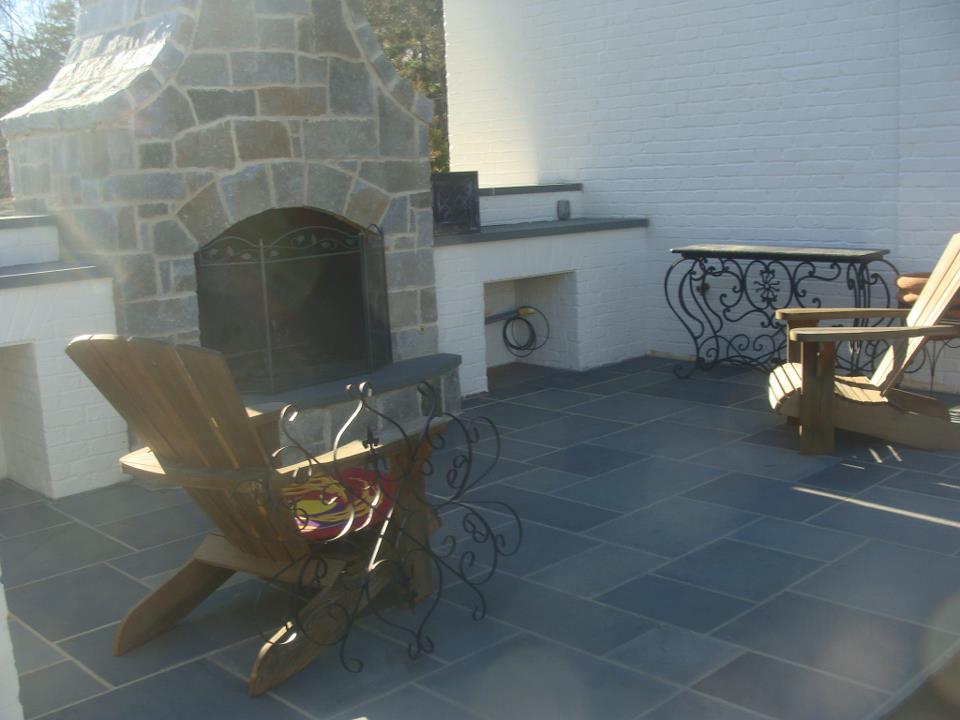
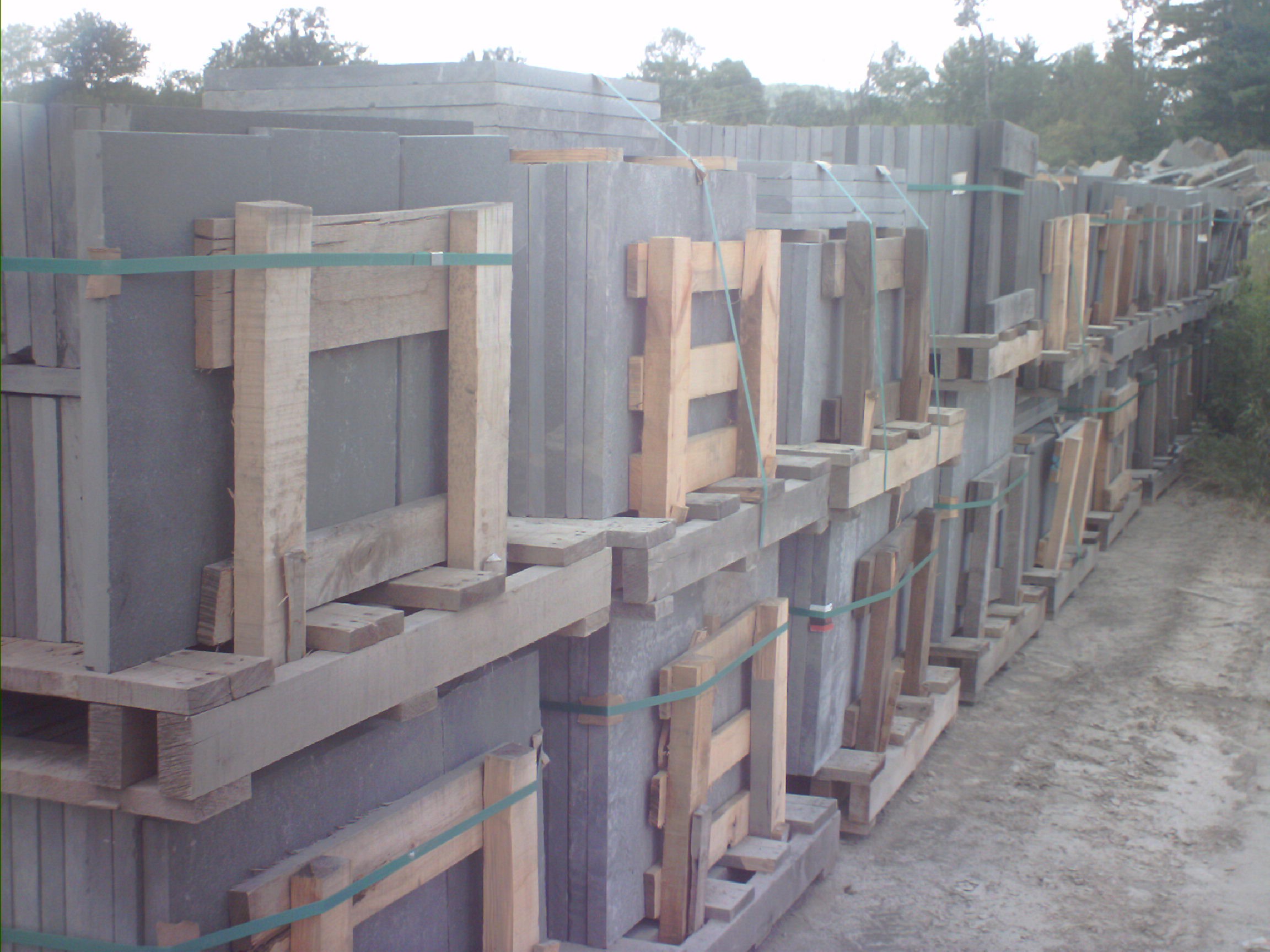
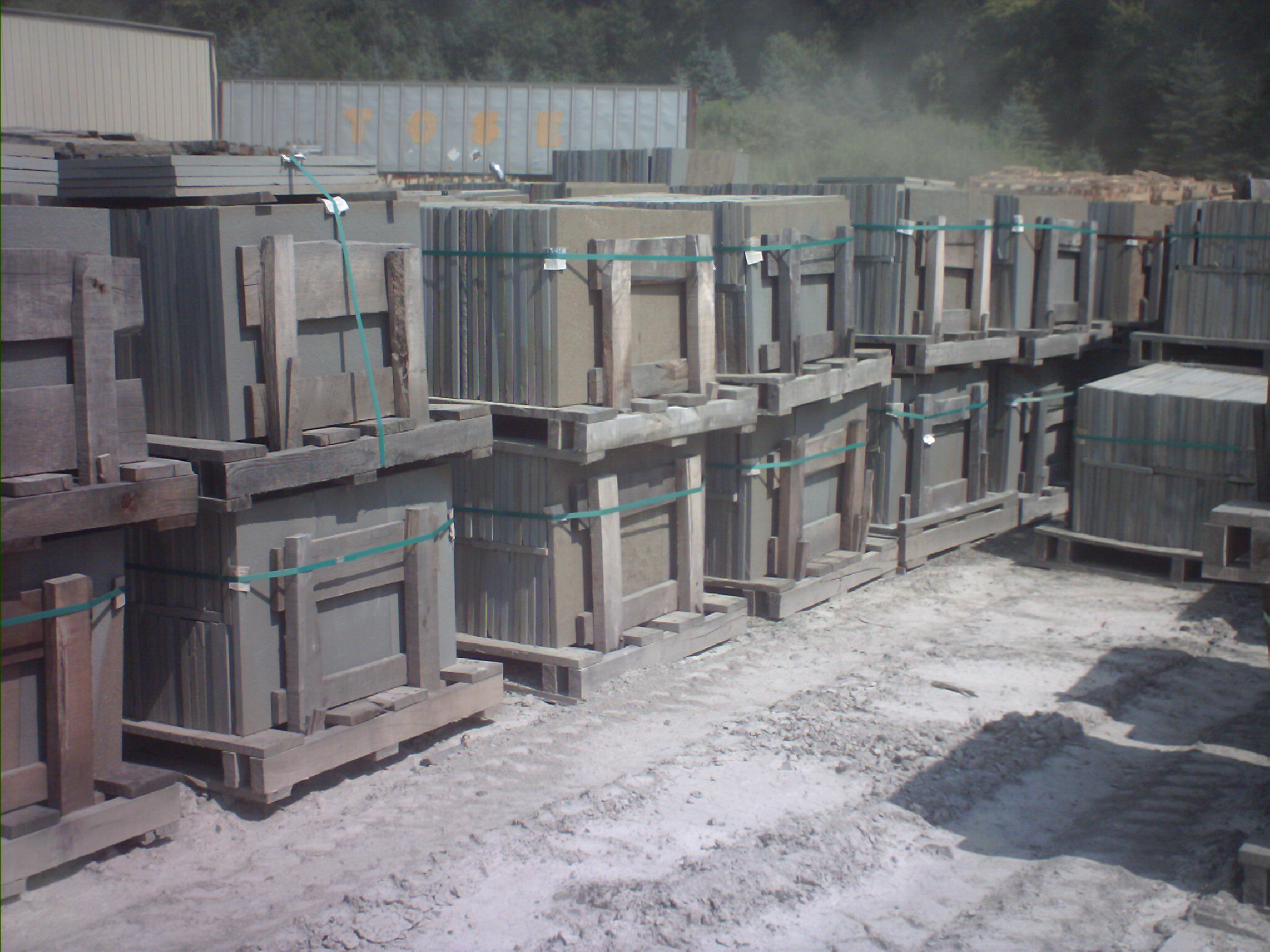
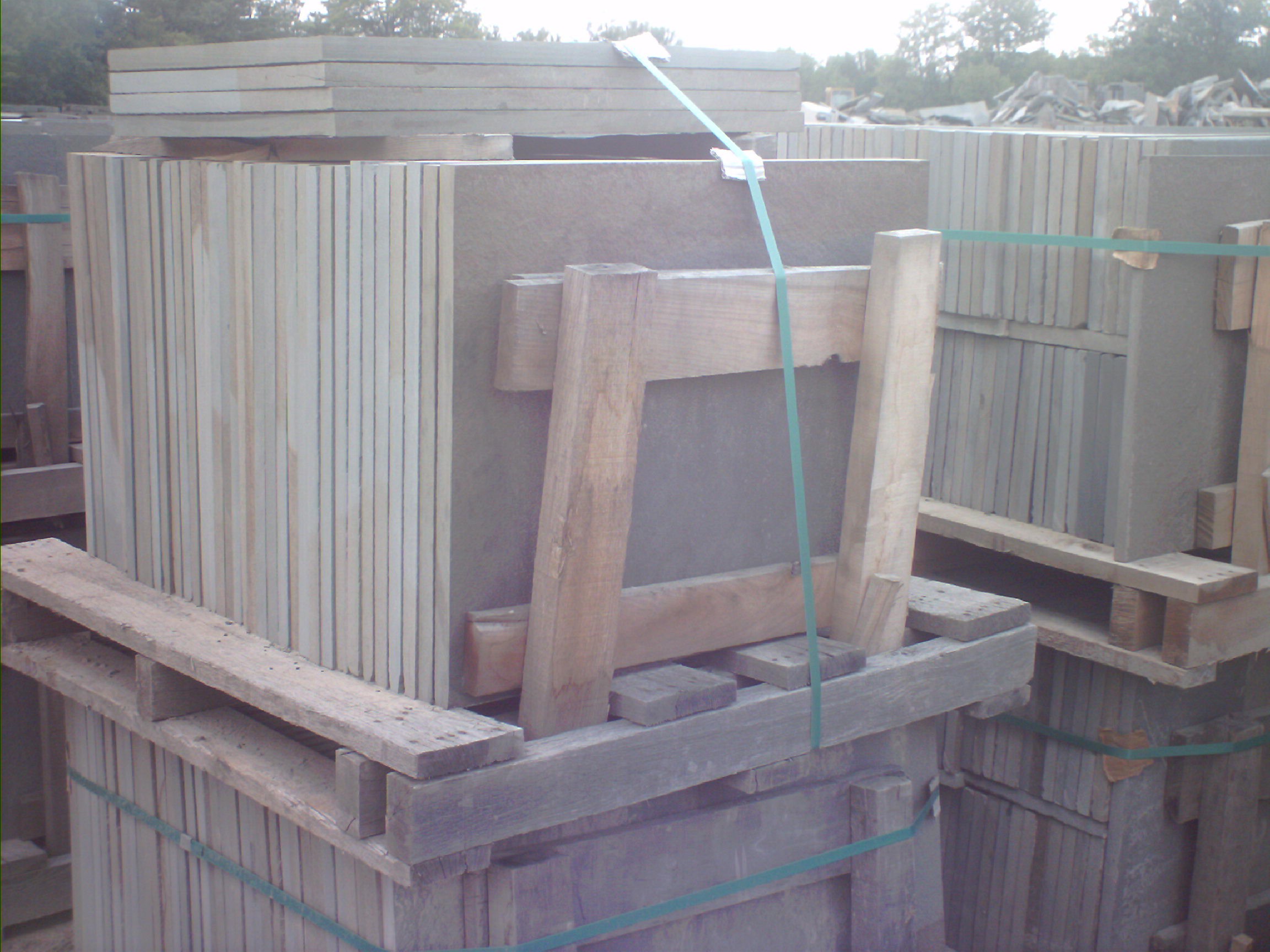
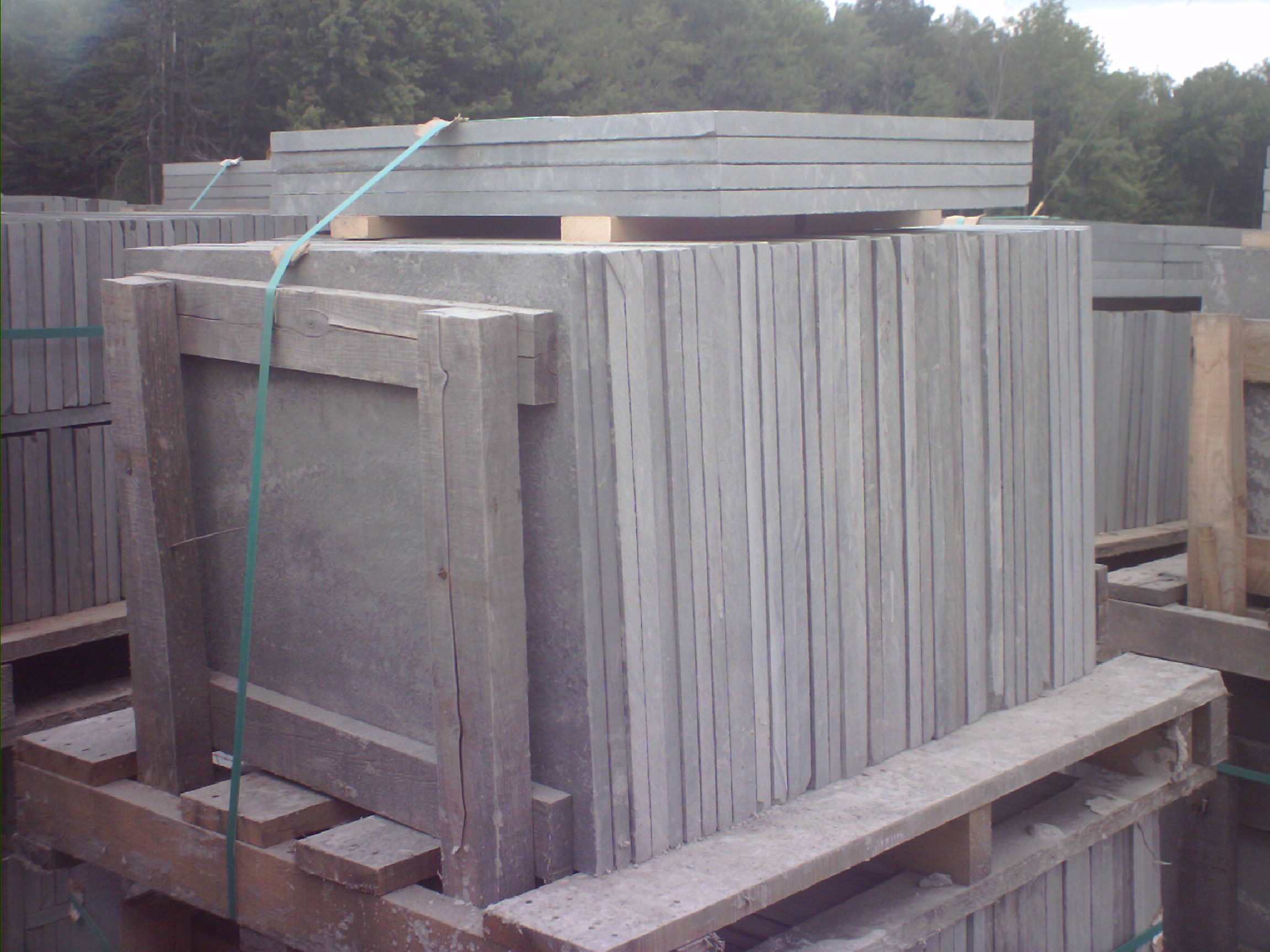
BROKEN THERMAL FLAGSTONE 1" or 1.5" (Gauged for thickness)
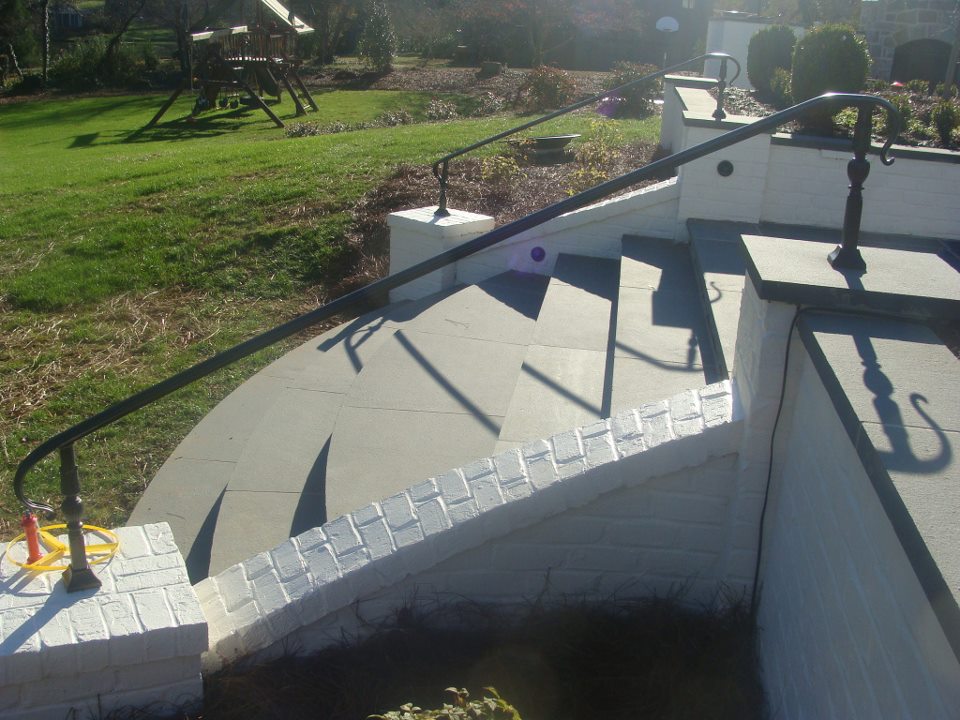
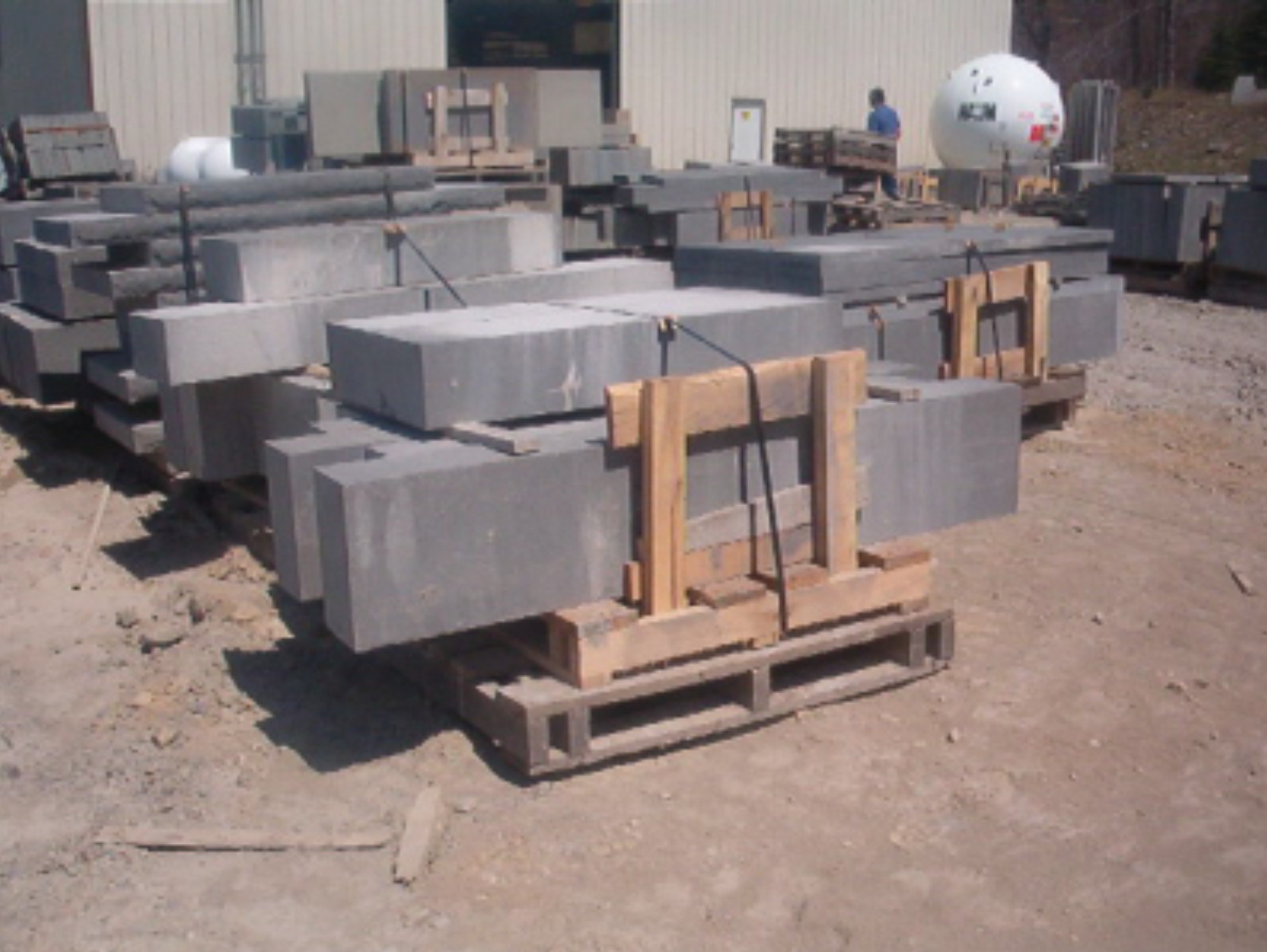
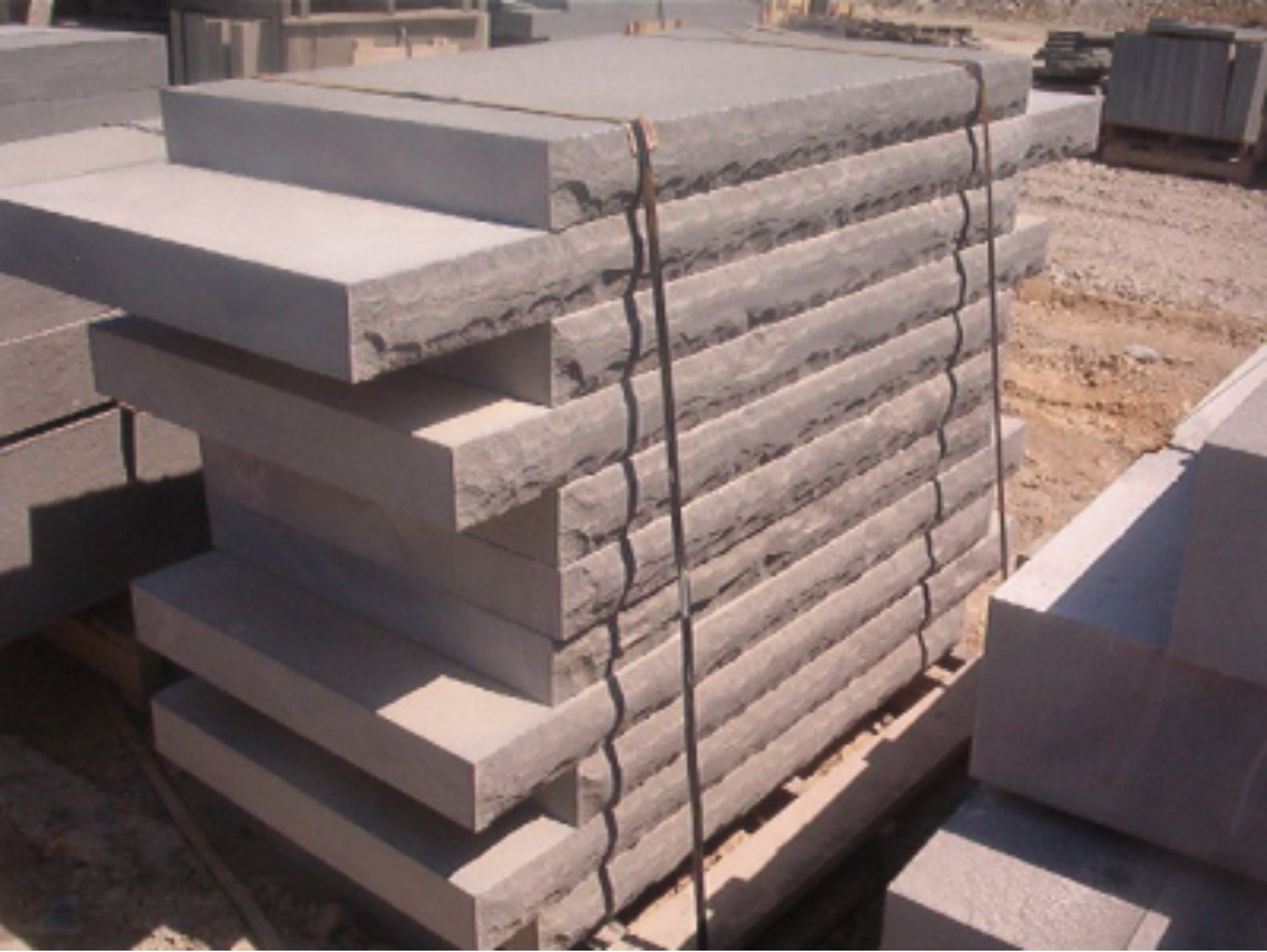
PENNSYLVANIA BLUESTONE TREADS (radials, rockfacing and bull nosing available)
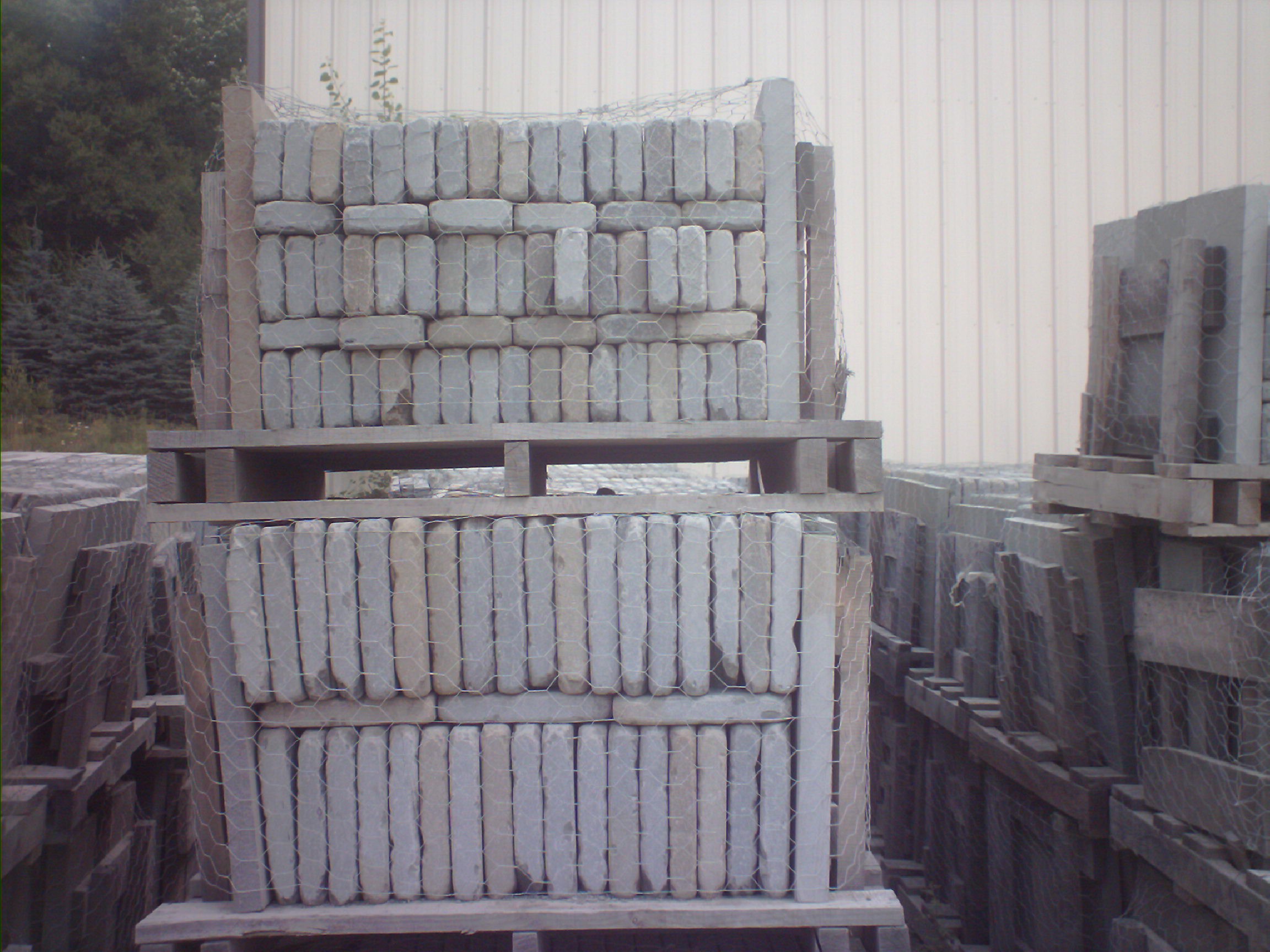
TUMBLED PENNSYLVANIA BLUESTONE (THE FINEST QUALITY AND GAUGED)
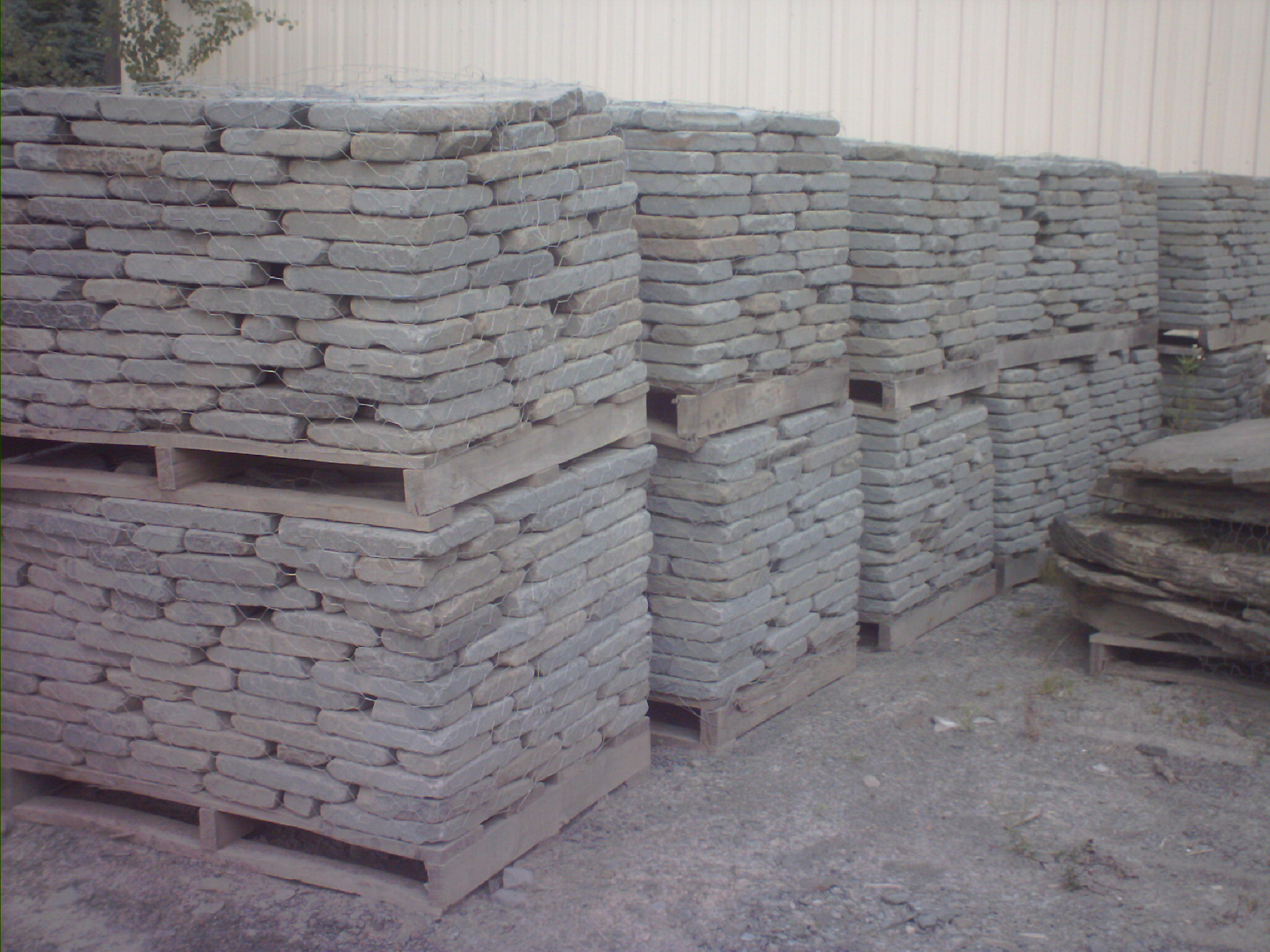
TUMBLED PENNSYLVANIA BLUESTONE PAVERS (THE FINEST QUALITY AND GAUGED)
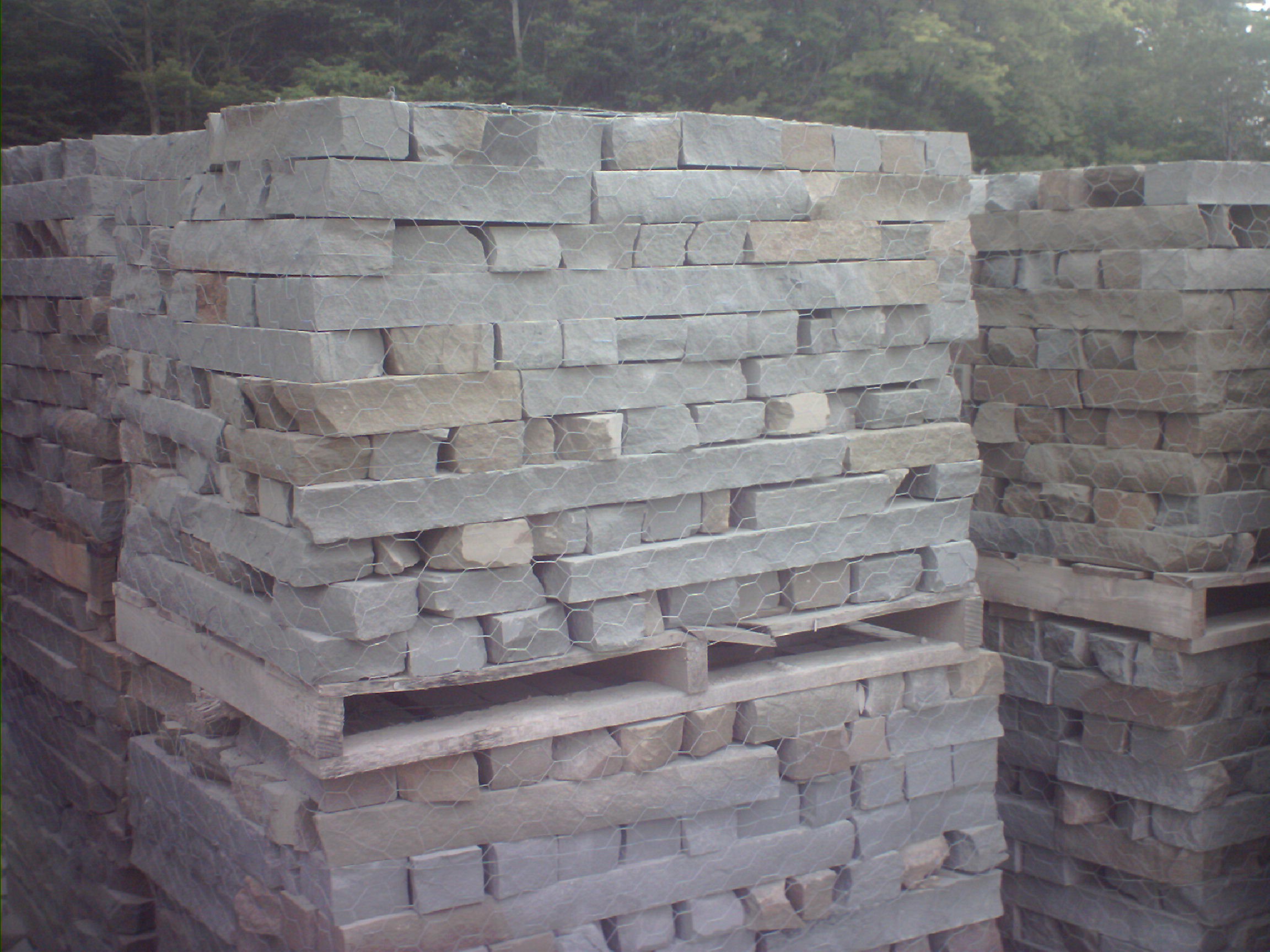
SNAPPED PENNSYLVANIA BLUESTONE VENEER
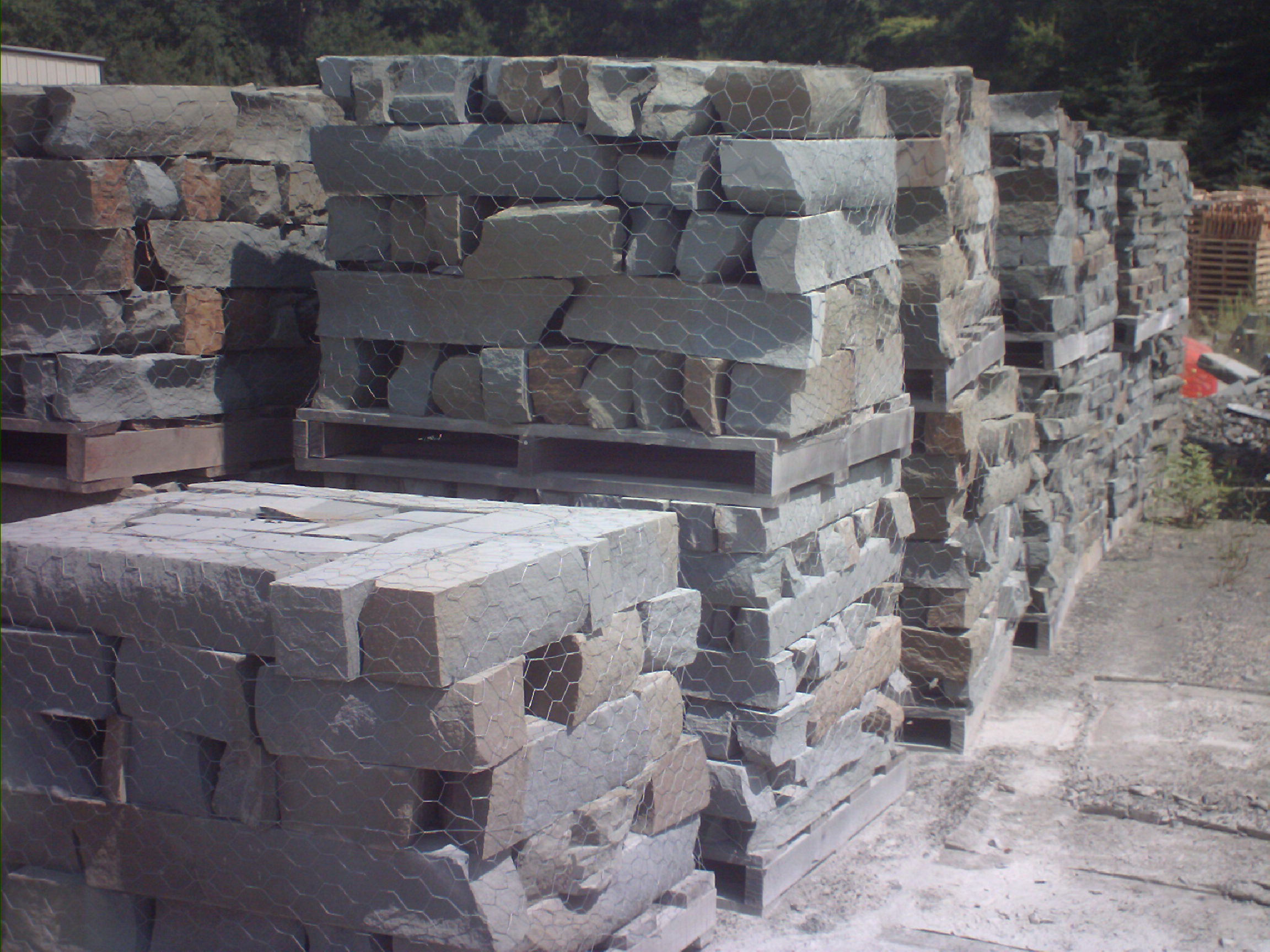
PENNSYLVANIA FIELDSTONE
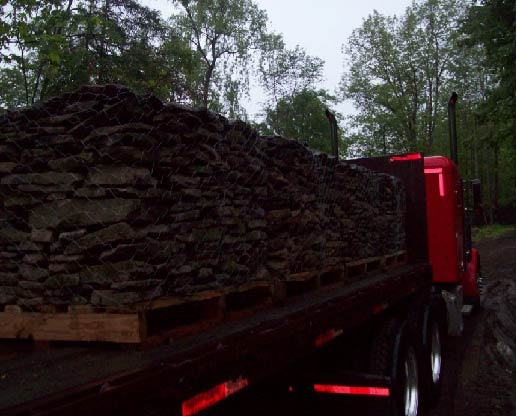
Buy Bluestone Direct From The Source!
Operating From: Tunkhannock, PA USA 18657